
ArchaeoArchaegMuseum of Lefkada – A Journey Through the Island's Historylogical Museum of Lefkada – A Journey Through the Island's History
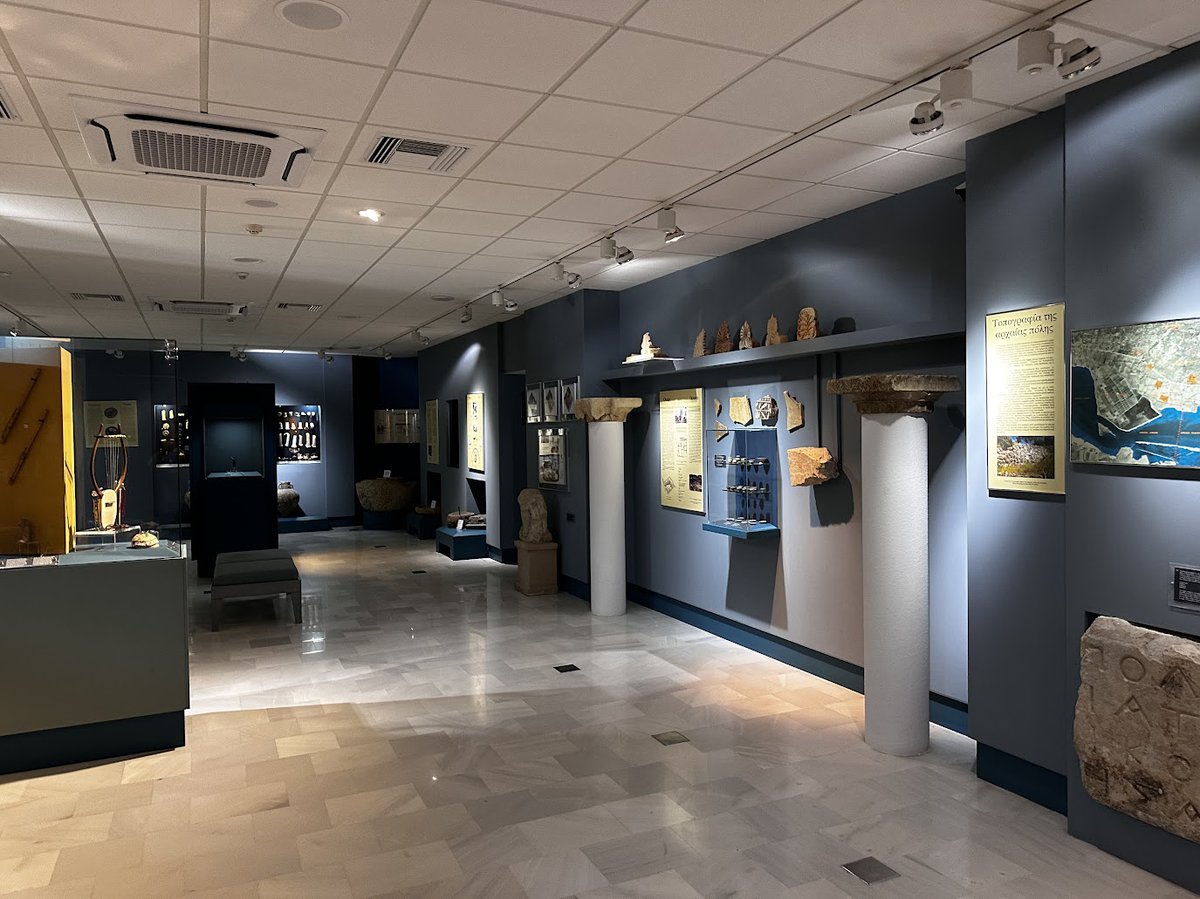
Archaeological Museum of Lefkada – A Journey Through the Island’s History
The Archaeological Museum of Lefkada is one of the island’s most important cultural landmarks and a must-visit destination for anyone interested in history and archaeology. Located in the heart of Lefkada Town, the museum houses valuable artifacts that document human presence on the island from the Middle Paleolithic Age through to the Late Roman period.
Its permanent exhibition presents the rich and diverse history of Lefkada through everyday objects, works of art, jewelry, weapons, pottery, and religious artifacts, offering visitors a comprehensive overview of the island’s cultural development over thousands of years.
A Museum with Remarkable Collections
The museum’s collections originate from significant archaeological sites across Lefkada and the surrounding islands, including Nydri, Skaros, Meganisi, Evgiros, Fryni, and other areas with extensive prehistoric and historical activity.
Particular importance is given to the discoveries made by the renowned German archaeologist Wilhelm Dörpfeld, who dedicated much of his scientific career to the study of Lefkada and played a key role in highlighting the island’s archaeological significance.
The Four Thematic Exhibition Halls
The museum’s permanent exhibition is organized into four thematic galleries, allowing visitors to explore different aspects of life in ancient Lefkada.
Everyday Life in Ancient Lefkada
The first gallery focuses on the daily lives of the island’s ancient inhabitants. Exhibits related to housing, trade, agriculture, fishing, weaving, and music provide valuable insight into local society and economic activity.
Visitors can view tools, pottery, coins, and musical instruments that reveal how people lived and worked throughout different historical periods.
Religion and Worship
The second gallery is dedicated to religion and sacred traditions. It features artifacts from sanctuaries and places of worship devoted to important deities of the ancient Greek world, including Apollo, Artemis, Aphrodite, and Hera.
Among the highlights are votive offerings, figurines, engraved gemstones, and exceptional bronze objects that illustrate the spiritual life of ancient Lefkada.
Burial Customs and Ancient Cemeteries
The third gallery explores the funerary traditions of the island. Visitors can examine funerary stelae, cremation urns, jewelry, gold wreaths, and burial offerings that accompanied the deceased into the afterlife.
These artifacts provide fascinating insights into the beliefs, customs, and social practices of ancient Lefkadian society.
Prehistoric Lefkada
The fourth gallery presents the earliest evidence of human activity on the island, covering the period from the Middle Paleolithic Age to the Bronze Age.
Stone tools, handmade pottery, weapons, ornaments, and other prehistoric artifacts illustrate the development of the first communities that settled in Lefkada and highlight the importance of the archaeological excavations conducted during the early twentieth century.
A Unique Experience for Every Visitor
The Archaeological Museum of Lefkada offers a fascinating introduction to the island’s history and cultural heritage. Its modern exhibition design, thematic organization, and extensive collection make it an engaging experience for history enthusiasts, families, students, and travelers alike.
Whether you are visiting Lefkada for the first time or returning to explore it more deeply, the museum provides an exceptional opportunity to discover the island’s historical journey through authentic artifacts spanning more than 200,000 years of human presence.
Why Visit the Archaeological Museum of Lefkada?
The Archaeological Museum of Lefkada allows visitors to experience the island beyond its famous beaches. Through its carefully curated collections and unique archaeological treasures, it reveals the rich cultural legacy that has shaped Lefkada throughout the centuries.
For anyone interested in ancient history, archaeology, and Greek civilization, a visit to the museum is an essential part of discovering the true identity of Lefkada.